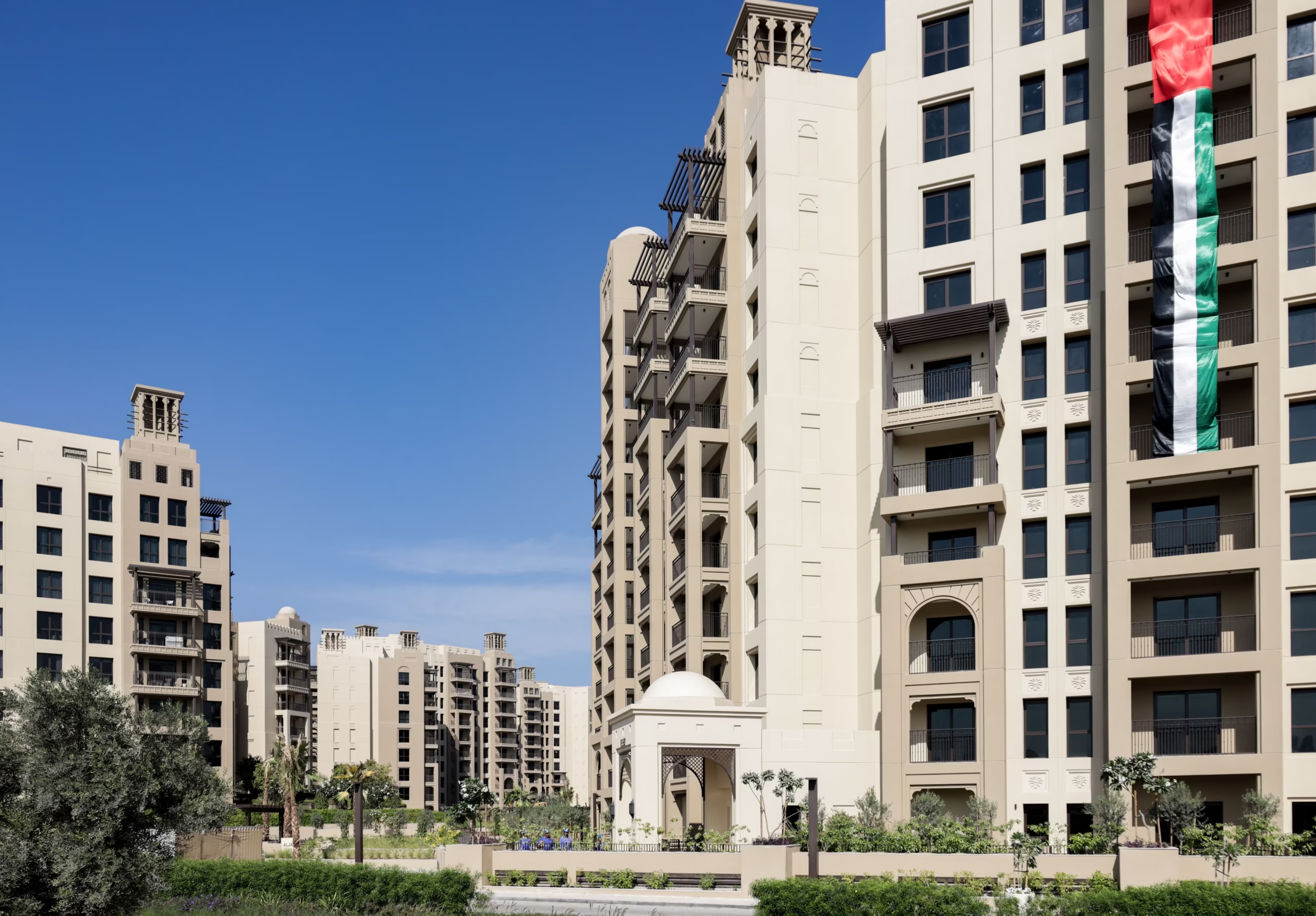
Relocating to a new apartment or villa in the UAE is a thrilling experience, but it comes with unique physical challenges. Moving heavy, expensive furniture across cities like Dubai and Abu Dhabi involves much more than simply loading items into a truck. You are often dealing with blistering summer heat, navigating massive modular wardrobes through narrow high-rise service elevators, and trying to avoid scratching the pristine marble floors of your new Saadiyat Island or Downtown Dubai residence.
In the UAE, landlords are notoriously strict about security deposits. A single gouge in the hallway drywall or a scratch on the elevator door can cost you hundreds of dirhams in building management penalties. Furthermore, replacing a custom-built dining table or a high-end leather sofa damaged in transit is an expense no one wants to face.
Whether you are hiring a professional “man with a van” or managing a DIY move between emirates, understanding exactly how to pack furniture for moving is the only way to guarantee your belongings arrive in showroom condition. We are breaking down the professional techniques for wrapping materials, corner protection, safe dismantling, and high-rise handling so you can execute a flawless, scratch-free move.
The Essential UAE Packing Arsenal
You cannot protect heavy furniture with cheap supermarket tape and thin plastic bags. Professional movers in the UAE rely on a specific arsenal of industrial-grade materials to absorb shock and prevent friction during transit. Before you begin moving anything, you need to acquire the following supplies from a local hardware store (like ACE Hardware or Dragon Mart):
- Heavy-Duty Moving Blankets (Pads): These are thick, quilted fabric blankets. They are your primary defense against gouges and scratches. They absorb the impact if a piece of furniture accidentally bumps into a doorframe.
- Industrial Stretch Wrap (Shrink Wrap): This massive roll of plastic wrap is used to bind the moving blankets tightly to the furniture, keeping drawers closed and protecting the fabric from dust and moisture.
- Corrugated Cardboard Sheets: Essential for protecting flat, fragile surfaces like glass dining tables, mirrors, and television screens.
- Cardboard Corner Protectors: Specialized, reinforced cardboard angles designed to slip over the sharp edges of tables and desks, absorbing the brunt of any impact.
- Ziploc Bags and Painter’s Tape: Crucial for securely storing the screws, bolts, and hinges you remove during the disassembly phase.
The Art of Furniture Disassembly
In modern UAE apartments—especially in densely packed areas like Jumeirah Village Circle (JVC) or Al Reem Island—doorframes and hallways are notoriously narrow. Attempting to force a fully assembled king-sized bed frame or an L-shaped sofa through a standard doorway is the number one cause of property damage.
Never force furniture to fit. If it is tight, dismantle it.
- Remove All Protruding Parts: Take off sofa legs, unscrew cabinet handles, and remove protruding knobs. These small pieces are the first to snap off or scratch against a wall when turning a tight corner. Place all legs and handles in a labeled Ziploc bag, and tape that bag securely to the underside of the furniture.
- Dismantle Modular Furniture: Large flat-pack furniture (like massive IKEA Pax wardrobes) is not designed to be moved while fully built; the joints will snap under the sheer weight. You must carefully dismantle the frame, wrap the wooden panels individually, and bundle them together flat.
- Remove Glass and Shelves: Never transport a display cabinet with the glass shelves still inside. The vibrations from the moving truck will shatter them. Remove all shelves, wrap them entirely in bubble wrap, and pack them in a dedicated, clearly labeled box.
Wrapping Techniques and Corner Protection
Once your furniture is dismantled, the wrapping phase dictates whether it survives the journey. The golden rule of packing furniture is that friction is the enemy.
Protecting the Corners: The corners of wooden desks, dining tables, and dressers bear the most risk. When navigating the winding corridors of a Dubai Marina tower, the corners are almost guaranteed to tap against a wall. Always apply rigid cardboard corner protectors to the four corners of your tables and dressers, securing them with painter’s tape (which will not leave a sticky residue on the wood).
The Blanket-and-Wrap Method:
- Drape and Cover: Drape a thick moving blanket over the entire piece of furniture, ensuring no exposed wood or fabric is visible.
- Tape the Blanket (Carefully): Use packing tape to pull the blanket tight, but never let the packing tape directly touch the wooden finish or leather, as it can strip the paint or leave permanent adhesive marks.
- Seal with Stretch Wrap: Once the blanket is secured, walk around the furniture with your roll of industrial stretch wrap. Wrap the entire piece tightly from top to bottom. The plastic wrap acts as a corset, keeping the protective blanket locked perfectly in place while creating a waterproof barrier against dust and humidity.
Safe Handling and Transit in UAE High-Rises
Navigating a massive sofa out of a high-rise building involves serious logistical coordination. In Abu Dhabi and Dubai, property management companies (like Emaar, Nakheel, or Aldar) require Move-Out NOCs and strictly enforce damage policies in common areas.
- Protect the Floors First: Do not drag heavy wooden furniture across your apartment’s tiled or hardwood floors. Use furniture sliders (small felt or plastic pads placed under the legs) to glide heavy items to the front door without leaving permanent scratches that will cost you your security deposit.
- Use the Right Equipment: Never rely solely on raw physical strength. Rent or purchase a four-wheeled furniture dolly. Strapping a heavy dresser to a dolly prevents you from dropping it in the hallway and ensures you can roll it smoothly into the service elevator.
- Beware of the UAE Climate: If you are moving during the brutal summer months (June through September), be incredibly careful with genuine leather furniture and solid wood. Extreme heat combined with tight plastic shrink wrap can trap condensation, leading to warped wood or cracked leather. To prevent this, ensure there is a thick, breathable layer of moving blankets between the leather and the plastic wrap, and minimize the time your furniture spends sitting outside in the sun on the loading dock.
Frequently Asked Questions (FAQ)
Common Furniture Packing Queries
Can I leave my clothes inside my dresser drawers when moving?
No. You should always completely empty your dresser drawers before moving. Leaving heavy clothes or books inside adds immense weight to the furniture, which puts dangerous stress on the wooden joints and drawer tracks during transit. The vibrations of the moving truck can cause a heavy, full dresser to warp or completely collapse.
How do I protect my flat-screen TV without the original box?
If you no longer have the original retail box, you must purchase a specialized telescopic TV moving box. Wrap the television entirely in anti-static bubble wrap (standard bubble wrap can generate static electricity that damages the screen), slide it into the heavy-duty cardboard TV box, and fill any empty gaps with packing peanuts so the screen cannot shift inside the box.
Should I wrap my leather sofa directly in plastic stretch wrap?
Never wrap leather furniture directly in plastic wrap, especially in the UAE climate. Plastic traps moisture and heat, which can cause the leather to “sweat,” stick to the plastic, and permanently crack or peel when you unwrap it. Always cover the leather completely with breathable fabric moving blankets first, and then apply the stretch wrap over the blankets to secure them.
Learning how to pack furniture for moving is about patience, the right materials, and respecting the physics of heavy objects. By taking the extra time to properly dismantle bulky items, heavily padding sharp corners, and utilizing the blanket-and-wrap method, you eliminate the friction and impact that cause transit damage. Whether you are moving down the street in Abu Dhabi or relocating entirely to a new emirate, investing a small amount of money in professional packing materials will save you thousands of dirhams in replaced furniture and lost security deposits.