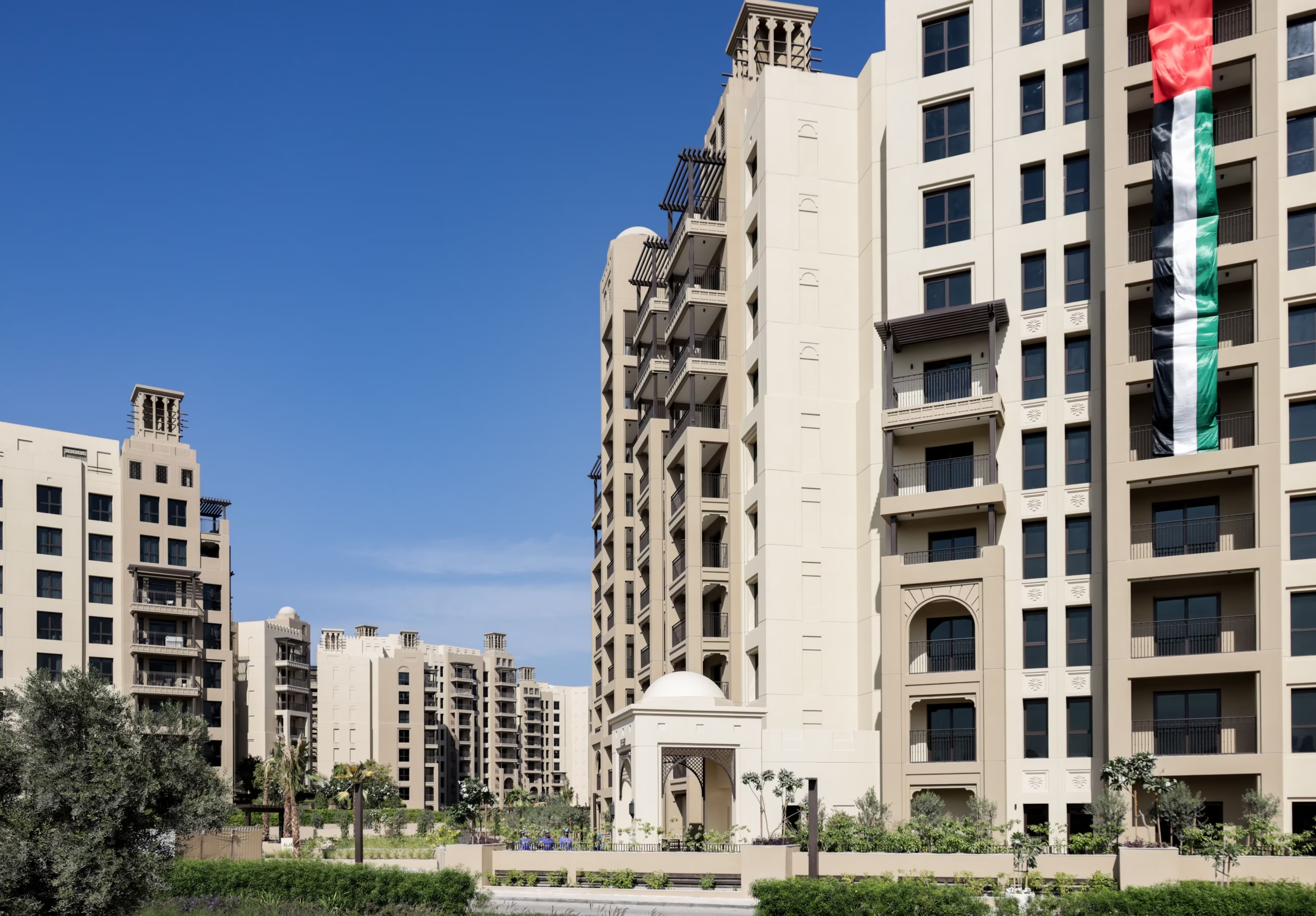
Abu Dhabi is a highly transient and fast-paced city. Whether you are an expat bridging a gap between apartment leases, downsizing from a large family villa in Khalifa City to a sleek high-rise on Al Reem Island, or simply leaving the UAE for an extended summer vacation, you will eventually face a logistical hurdle: finding a safe place to keep your belongings.
Leaving expensive wooden furniture, leather sofas, or valuable household electronics in an empty, un-airconditioned apartment over the summer is a recipe for disaster. The extreme heat and coastal humidity can warp solid wood and destroy fabrics in a matter of weeks. Relying on professional furniture storage Abu Dhabi solutions ensures your investments remain pristine while freeing up your immediate living space.
We are breaking down exactly what you should expect to pay for storage units in 2026, the critical difference between basic and climate-controlled facilities, the security standards you should demand, and how to prep your items so they emerge exactly as you left them.
Types of Storage Options in Abu Dhabi
Not all storage facilities operate the same way. Depending on your overall budget, the volume of your items, and how often you need to access your belongings, you generally have two primary options in the emirate:
- Self-Storage Units: This is the most popular and flexible option for everyday residents. You rent a private, lockable room within a larger warehouse facility. You hold the only key, and you can usually access your belongings 24/7. This is ideal if you need to routinely grab winter clothes, camping gear, business documents, or seasonal decorations.
- Full-Service / Warehouse Storage: In this model, professional moving companies pick up your furniture, wrap it, and store it in massive shared warehouse crates. You do not have daily access to your belongings. When you want your furniture back, you must schedule a delivery with the company. This is usually cheaper per square foot and is perfect for long-term expats leaving the country for six to twelve months who have no need to visit their items.
2026 Cost Breakdown: What to Expect
Storage pricing in Abu Dhabi is determined entirely by the square footage (or cubic meters) your items occupy. To avoid overpaying, it is essential to accurately estimate the volume of your furniture before signing a contract.
Below is a baseline estimate of monthly storage costs in Abu Dhabi for reputable, climate-controlled facilities in 2026:
| Storage Unit Size | Typical Monthly Cost | Best Used For |
| 15 sq ft (Locker) | AED 250 – AED 450 | A few travel bags, seasonal clothes, and document boxes. |
| 50 sq ft | AED 650 – AED 900 | The contents of a standard studio apartment (sofa, TV, mattress). |
| 100 sq ft | AED 1,200 – AED 1,350 | Furniture from a 1-bedroom apartment and business stock. |
| 150 sq ft | AED 1,750 | The full contents of a 2-bedroom home or large kitchen appliances. |
| 200+ sq ft | AED 2,650+ | 3-bedroom villas, complete household moves, and vehicle storage. |
Note: Always factor in the UAE’s standard 5% VAT, as well as lock and administration fees, which are sometimes excluded from initial marketing quotes.
The Non-Negotiable Need for Climate Control
If you are storing anything of value in Abu Dhabi, a “Climate-Controlled” unit is not a luxury upgrade—it is an absolute necessity.
Abu Dhabi’s summer temperatures routinely exceed 45°C (113°F) with soaring coastal humidity. Standard, non-AC warehouse storage (such as outdoor shipping containers left in the sun) will literally act as an oven.
- Wood Furniture: Extreme heat fluctuations cause wooden dining tables, antique dressers, and bed frames to aggressively expand, crack, and permanently warp.
- Leather and Upholstery: Trapped humidity breeds mold deep within fabrics and causes genuine leather to permanently dry out, crack, and peel.
- Electronics & Appliances: Prolonged heat melts the internal soldering of televisions and ruins the rubber seals inside washing machines and refrigerators.
Climate-controlled facilities maintain a steady, cool temperature (usually around 24°C) and aggressively manage indoor humidity levels year-round, ensuring your sensitive items are fully protected against the harsh UAE climate.
Security Measures to Verify
You are trusting a facility with thousands of dirhams worth of personal property. A simple padlock on a door is not enough. Before signing a long-term lease, confirm the facility has the following commercial security infrastructure in place:
- 24/7 CCTV Monitoring: High-definition cameras should actively cover every hallway, entrance, and loading bay.
- Individual Unit Alarms: Premium self-storage facilities wire a separate digital alarm directly to your specific roll-up door to prevent tampering.
- Access Control: The main gate and the entrance to the actual unit blocks should require a personal PIN code or RFID key card that logs exactly who enters and exits the building.
- Routine Pest Control: The facility must have a strict, documented pest control schedule to prevent rodents and insects from ruining your stored upholstery and cardboard boxes.
Preparing Your Furniture for Storage
Proper preparation prevents unpleasant surprises when you finally unlock your unit months later. Shoving dirty furniture into a dark room guarantees long-term damage.
- Clean Everything Thoroughly: Wipe down all wooden furniture with a high-quality polish to add a protective layer of moisture. Vacuum sofas and chairs thoroughly to remove food crumbs, which can attract pests over time.
- Defrost and Dry Appliances: Never put a refrigerator or washing machine into storage immediately after use. Defrost freezers for at least 48 hours and wipe the interiors completely dry with bleach wipes to prevent aggressive mold growth. Always leave appliance doors slightly propped open to allow continuous airflow.
- Disassemble Bulky Items: Take apart bed frames and remove the wooden legs from sofas and dining tables. This not only makes them easier to transport without scratching doorways, but it also allows you to pack them flat, saving you money by allowing you to rent a smaller overall storage unit.
- Wrap with Breathable Materials: Avoid wrapping leather or solid wood tightly in plastic stretch wrap for long-term storage, as this traps condensation. Instead, drape your heavy furniture in breathable cotton drop cloths or moving blankets to keep the dust off while allowing the organic materials to breathe.
Questions to Ask Storage Providers
Before handing over your credit card, ask the facility manager these four critical questions to uncover hidden fees and strict contract clauses:
- “Does this exact quote include the 5% VAT and administration fees?” Many advertised web rates omit the VAT and hide a mandatory “lock fee” or “security deposit” deep in the fine print.
- “Are your access hours truly 24/7?” Some facilities aggressively claim 24/7 access but actually lock their main security gates at 10:00 PM on weekends or require a 24-hour advance notice to enter.
- “Do you offer pick-up and delivery services?” Several modern providers in Abu Dhabi bundle a free or discounted pickup service using professional movers if you commit to a long-term contract (e.g., 6 or 12 months).
- “What is your mandatory notice period for moving out?” Check if you need to give a formal 30 days’ written notice to cancel your contract, so you are not automatically billed for an extra month after you have already emptied your unit.
Frequently Asked Questions (FAQ)
Understanding Abu Dhabi Storage Solutions
Can I store perishable food items or indoor plants in my unit?
No. All licensed self-storage facilities strictly prohibit storing perishable food, live plants, flammable liquids (like gasoline, aerosols, or paint thinner), and hazardous chemicals. Attempting to store food will attract severe pest infestations that can spread to other units.
Do storage facilities in Abu Dhabi provide insurance for my items?
Most commercial facilities provide basic building insurance that covers catastrophic events (like a major warehouse fire or structural collapse), but it does not cover the specific value of your personal goods inside the unit. You should always ask about purchasing optional, itemized insurance coverage directly through the provider for the duration of your rental.
What happens if I miss a monthly storage payment?
Storage contracts in the UAE are strictly legally binding. If you default on your payments for an extended period and ignore warnings, the provider has the legal right to overlock your unit, charge compounding late fees, and eventually auction or dispose of your belongings to recover their lost rent.
Should I store my items in cardboard boxes or plastic bins?
For long-term storage, heavy-duty plastic storage bins with snapping lids are far superior to cardboard. Cardboard can absorb ambient moisture over time and easily crush under the weight of heavier boxes stacked on top of it. Plastic bins provide structural integrity and a waterproof barrier.
Securing reliable furniture storage Abu Dhabi requires balancing your monthly budget against the sheer necessity of climate control and professional security. The harsh reality of the UAE’s summer climate means that cutting corners on a cheap, un-airconditioned unit will ultimately cost you far more in ruined furniture and electronics. By accurately measuring the volume of your belongings, packing items flat to save space, and verifying transparent, VAT-inclusive pricing upfront, you can confidently keep your personal property secure and pristine until you are ready to move into your next home.