
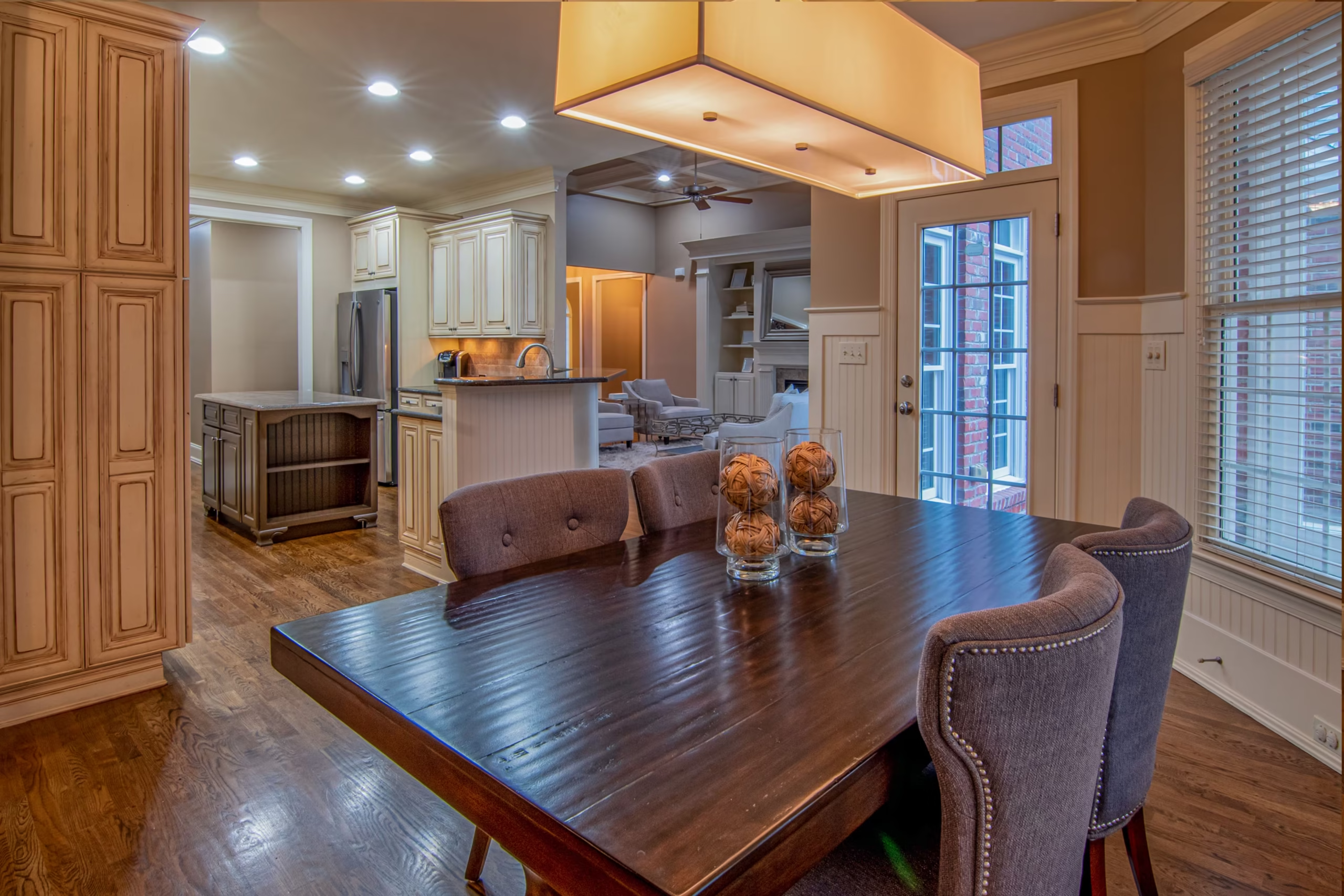
Solid wood furniture is a major household investment. From heirloom dining tables to heavy oak dressers, these pieces carry both financial and sentimental weight. Unfortunately, they are also incredibly vulnerable during a relocation. While solid wood feels sturdy when sitting perfectly still in your living room, the chaotic vibrations, tight corners, and sudden temperature shifts of a moving day can inflict permanent damage in seconds.
Many people assume that throwing a thin bedsheet over a desk is enough to keep it safe. In reality, proper furniture protection requires defending against three distinct threats: impact damage (scratches and gouged corners), structural stress (snapped legs and loose joints), and climate damage (trapped moisture and peeling veneer).
Whether you are hiring professional movers or handling the relocation yourself, understanding exactly how to prep, wrap, and transport your wooden furniture is the only way to ensure it arrives at your new home in pristine condition.
The Ultimate Packing Mistake: Plastic Wrap on Bare Wood
One of the most common and destructive DIY moving habits is wrapping solid wood furniture directly in industrial plastic shrink wrap or bubble wrap. While plastic seems like a great way to prevent scratches, it acts as a suffocating greenhouse for organic materials.
Wood needs to breathe. When you wrap a wooden dining table or antique cabinet tightly in plastic, you trap ambient moisture against the surface. If you are moving during the summer or passing through a humid climate, this trapped condensation causes the wood to “sweat.” Within just a few days, this trapped moisture can cause the wood to swell, warp the joints, and permanently cloud the protective lacquer or polyurethane finish.
Furthermore, applying standard packing tape directly to a wooden surface is a guaranteed disaster. The chemical adhesive will bond directly with the wood’s finish. When you peel the tape off at your new home, it will likely pull the varnish, paint, or delicate wood veneer right off with it, leaving permanent bald spots and sticky residue.
The Proper Furniture Protection Arsenal
To protect wooden furniture safely, you must create a breathable, impact-absorbing barrier. Professional movers rely on a specific set of materials rather than household blankets:
- Quilted Moving Blankets: These heavy, padded fabric blankets are your primary layer of defense. They allow the wood to breathe while actively absorbing the shock of bumping into doorframes.
- Corrugated Cardboard: Used to create rigid armor over sharp corners, glass inserts, or delicate tabletop edges.
- Twine or Nylon Straps: Used to tie cabinet doors and drawers shut without resorting to destructive adhesive tape.
- Ziploc Bags and Labels: Essential for keeping track of the dozens of screws, hinges, and knobs you will remove during the disassembly phase.
Disassembly: Protecting Fragile Joints and Hardware
The physical stress of carrying heavy furniture down a staircase or loading it onto a bouncing truck puts immense pressure on wooden joints. Reducing the weight and awkward shape of the item before it leaves the room is critical.
- Remove All Hardware: Unscrew protruding drawer pulls, metal handles, casters, and decorative finials. These small metal pieces are the first things to scrape against a hallway wall or snap off entirely when navigating a tight corner. Place them in a labeled envelope or Ziploc bag.
- Take the Legs Off: If your dining table, sofa, or desk has removable legs, take them off. Transporting a heavy table with the legs attached places extreme torque on the corner joints. If the table shifts during transit, the legs can easily snap. Wrap the legs separately in protective padding.
- Empty All Drawers and Shelves: Never transport a heavy dresser, bookcase, or wardrobe with clothing, books, or loose items inside. The extra weight places severe strain on the internal wooden tracks and structural frame, often causing the joints to loosen or the piece to warp under its own weight during transport. Remove all internal glass or wooden shelves and wrap them individually.
The “Blanket and Bind” Wrapping Technique
Once the piece is disassembled and entirely emptied, the wrapping phase dictates whether it survives the journey. Follow this layered approach:
- Step 1: Dust Thoroughly. Before you wrap anything, wipe the wooden surfaces down with a soft, dry microfiber cloth. If you wrap a dusty table in a heavy blanket, the trapped grit and dust will act like sandpaper, grinding micro-scratches into the polish during the bumpy truck ride.
- Step 2: Secure the Doors. Use soft twine to tie cabinet handles together so the doors do not swing open in transit. Place a small folded piece of cardboard or padding between the twine and the wood to prevent the rope from digging into the finish.
- Step 3: Drape and Pad. Cover the entire piece of furniture in clean moving blankets, ensuring there is no exposed wood at the bottom edges. For square items like desks, fold corrugated cardboard over the four corners and secure the cardboard to the outside of the blanket.
- Step 4: The Plastic Bind. Once the breathable blanket is fully covering the wood, you can safely use stretch wrap or packing tape on the outside of the blanket. Wrap the plastic tightly over the blanket to lock the padding firmly in place. Because the plastic only touches the fabric blanket, the wood remains safe, breathable, and protected from impact.
Moving Day: Safe Lifting and Loading
Even the best packing materials cannot save furniture from improper physical handling. The golden rule for solid wood is simple: Never drag it.
Dragging a heavy wooden dresser or bookcase across a carpeted floor or concrete loading dock creates massive friction that pulls directly on the base joints. This is exactly how mortise-and-tenon joints crack and bottom panels splinter. Always lift the furniture entirely off the ground using two people, or use a four-wheeled furniture dolly equipped with a soft strap to roll it smoothly.
Inside the moving truck, wooden furniture should be loaded upright in its natural position. Never stack heavy boxes, metal appliances, or other furniture on top of a wooden dining table or delicate credenza, as the prolonged weight can cause the flat surfaces to bow, dent, or crack.
Finally, when you arrive at your new destination, try to have the climate control running. Keeping the indoor relative humidity stable (ideally between 45% and 55%) allows the wood to safely adjust to its new environment without sudden expansion or cracking.
Frequently Asked Questions (FAQ)
Common Queries on Protecting Wood Furniture
Should I clean and polish my wood furniture before moving it?
Yes. You should absolutely dust and wipe down the furniture before wrapping it to prevent trapped dirt from scratching the surface. Furthermore, applying a light coat of high-quality furniture polish a few days before the move adds a protective layer of moisture to the wood, preventing it from drying out if it needs to sit in a storage unit.
How do I protect the sharp corners of my wooden desk?
Thick moving blankets alone are sometimes not enough to protect sharp corners from heavy impacts. You should purchase heavy-duty corrugated cardboard corner protectors, slip them over the corners of the desk, and tape them securely to the outside of the moving blanket.
Is it safe to leave clothing inside my dresser to save on moving boxes?
No. Leaving clothing inside your dresser adds immense, uneven weight to the frame. When the movers lift the dresser at an angle to navigate stairs, that heavy weight shifts instantly, which can shatter the internal drawer tracks and warp the entire wooden frame. Always pack your clothes in separate boxes or wardrobe cartons.
Protecting your solid wood furniture during a relocation does not require a degree in carpentry, but it does require patience and the right materials. By taking the time to remove delicate hardware, strictly avoiding the use of bare plastic wrap and adhesive tape, and utilizing the “blanket and bind” technique, you can effectively shield your valuable investments from the chaos of moving day. Prepare your items methodically, lift them carefully, and your furniture will look just as beautiful in your new home as it did in your last.