When planning a house move in Abu Dhabi or Dubai, one of the most hotly debated questions is whether to move large furniture fully assembled or break it down into pieces. Many residents assume that keeping a massive wardrobe or a dining table in one piece saves time. In reality, attempting to squeeze oversized, fully assembled furniture into a narrow high-rise service elevator is the fastest way to shatter wooden joints, gouge hallway walls, and lose your apartment security deposit.
Disassembling furniture before moving is almost always the right decision. Assembled pieces—particularly modern flat-pack furniture like IKEA wardrobes—are structurally designed to stand still, not to endure the twisting, bouncing, and heavy torque of a commercial moving truck. Furthermore, standard UAE doorways and tight elevator corridors simply cannot accommodate massive king-sized bed frames or L-shaped sectional sofas.
However, not every piece of furniture needs to be stripped down to its bare screws. Knowing exactly what to dismantle, when to leave it alone, and how to manage the dozens of loose bolts and brackets will save you hours of frustration when you arrive at your new home. We have compiled a definitive room-by-room guide to furniture disassembly, along with foolproof hardware labeling strategies to keep your relocation seamless.
The 3 Golden Rules of Furniture Disassembly
Before you pick up a screwdriver, follow these three foundational rules to prevent permanent damage to your belongings:
- Take Reference Photos First: Never unscrew a hinge or detach a rail without taking a clear, close-up photograph of the joint first. Your smartphone camera is your best tool. Capture the exact order of the washers, brackets, and bolts. When you are staring at a pile of metal parts six weeks later, these photos will be your roadmap to reassembly.
- Work Top to Bottom, Outside to Inside: Always remove upper components (like wardrobe cornices or top panels) and external accessories (like drawers and glass doors) first. Removing a base panel while heavy upper panels are still attached will cause the furniture to collapse and splinter under its own weight.
- Never Force a Joint: Flat-pack furniture frequently relies on wooden dowels and cam locks. If a piece feels stuck after you have removed the screws, do not rip it apart. Use a rubber mallet to gently tap the joints loose.
Room-by-Room Guide: What Needs Dismantling
The Bedroom
- Bed Frames (Mandatory): You must completely dismantle all double, queen, and king-sized beds. Remove the mattress, unscrew the headboard and footboard, and detach the side rails. Bundle the wooden bed slats together tightly with industrial stretch wrap.
- Large Wardrobes (Mandatory): Do not attempt to move a large, multi-door wardrobe fully assembled—especially flat-pack models. Remove all clothing, take out the internal shelves, unclip the clothing rods, and unscrew the doors from their hinges. If the wardrobe is larger than a standard single-door unit, you must break down the main external frame panels to prevent the cam locks from snapping in transit.
- Dressers and Chest of Drawers (Situational): The main frame can usually remain assembled. However, you must completely remove all drawers. Leaving heavy drawers inside the frame adds immense weight and allows the drawers to slide violently open when tilted, destroying the internal metal tracks.
The Living Room
- Sectional Sofas (Mandatory): Disconnect the interlocking metal brackets holding the sofa sections together. Unscrew all protruding wooden or metal legs. Sofa legs are the most common casualty of tight doorframes—removing them adds up to six inches of crucial clearance.
- TV Units and Entertainment Centers (Mandatory): Remove all glass doors and fragile glass shelving. Wrap glass components individually in bubble wrap and secure them between heavy pieces of cardboard.
- Bookshelves (Situational): Solid wood bookcases can be moved in one piece, but you must remove all the adjustable shelves and peg supports.
The Dining Room and Home Office
- Dining Tables (Mandatory): Most dining tables will not fit through a standard doorframe horizontally. Flip the table upside down onto a soft moving blanket and unbolt the four legs. Wrap the legs separately and pad the tabletop extensively.
- L-Shaped Desks (Mandatory): L-shaped office desks cannot navigate tight corners. Separate the two main desk surfaces. If you have a motorized sit-stand desk, unplug the control box and label the cables carefully, but do not attempt to dismantle the motorized legs.
The Foolproof Ziploc Hardware System
The number one reason people hate disassembling furniture is the fear of losing the hardware. Tossing a handful of screws into a random pocket or a mixed cardboard box guarantees a reassembly nightmare.
The Ziploc & Tape Method:
The moment you remove a screw, bolt, or wooden dowel, place it into a clear, sealable plastic Ziploc bag. Do not mix hardware from different pieces of furniture.
Use a permanent marker to label the bag with hyper-specific details.
- Bad Label: “Screws”
- Good Label: “Master Bed – Headboard Bolts (8)”
Once the bag is sealed and labeled, use heavy-duty packing tape or industrial stretch wrap to tape the bag directly to the underside or back of the corresponding furniture piece.
By attaching the hardware directly to the frame, the screws travel with the furniture. When you unwrap the bed frame in your new Abu Dhabi apartment, the exact bolts you need will be waiting right there for you.
Prepping for a Smooth Reassembly
Disassembling furniture is only half the battle; putting it back together efficiently is the true test of a well-organized move.
- Keep the Manuals: Keep a specific folder for all your original instruction manuals. If you discarded them, search the manufacturer’s website (like IKEA) and download the PDF versions onto your tablet before moving day. You can easily follow the instructions in reverse.
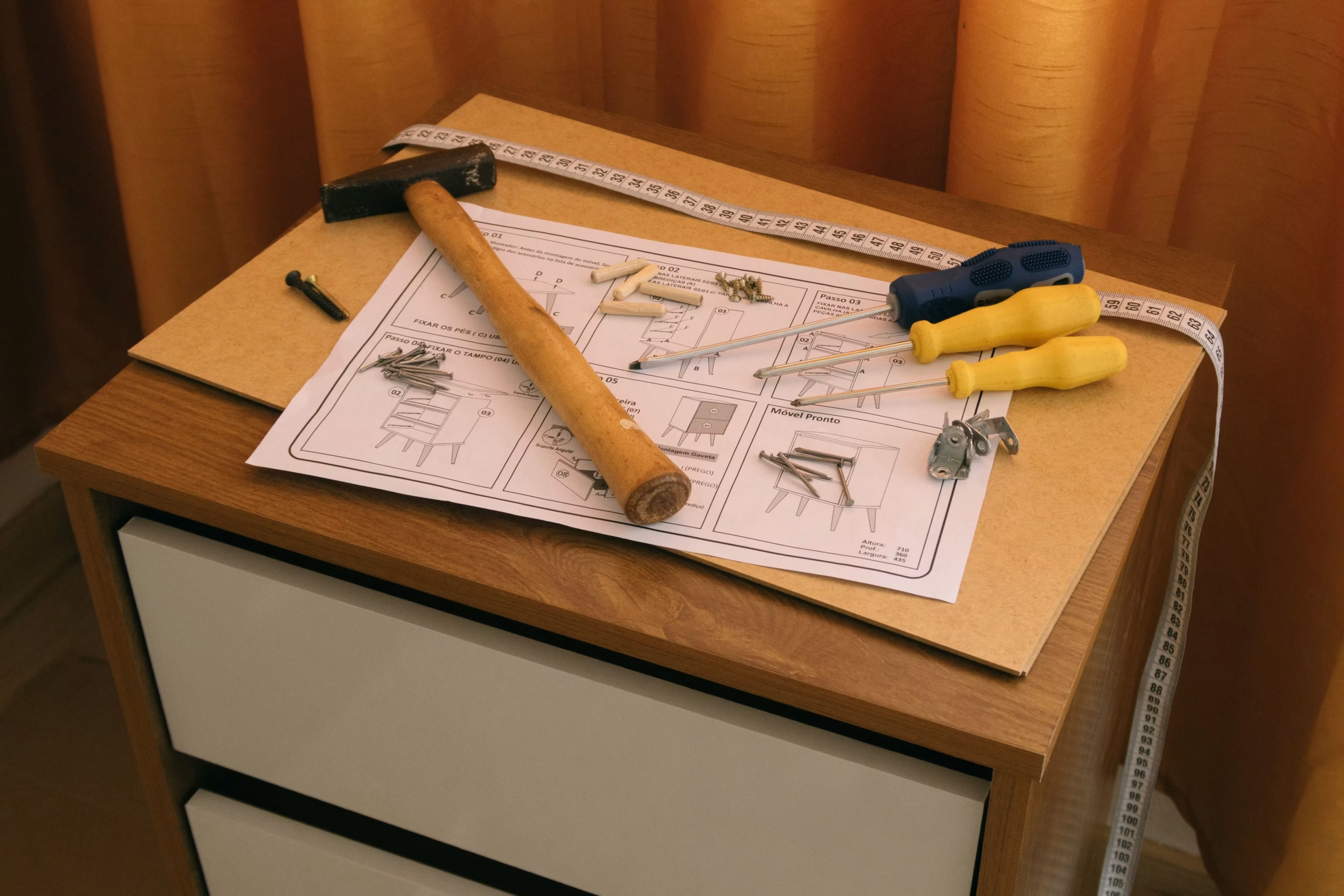
- Create a Reassembly Tool Kit: Do not pack your screwdrivers, Allen keys (hex wrenches), and rubber mallets into a random box. Pack a dedicated, brightly colored “Tool Kit” box that travels with you in your personal car.
- Build in the Final Room: Never reassemble a heavy wardrobe or a king-sized bed in the living room and attempt to carry it into the bedroom. Carry the individual wrapped panels into the designated room, unwrap them, and build the furniture precisely where it is going to stay.
Frequently Asked Questions (FAQ)
Understanding Furniture Disassembly
Do professional movers in Abu Dhabi disassemble furniture for you?
Yes, reputable, full-service moving companies in the UAE include standard furniture dismantling and reassembly (for beds, dining tables, and standard wardrobes) in their quoted price. However, complex custom-built units or items glued together may incur extra handyman fees. Always confirm this during your pre-move survey.
Should I take the doors off my refrigerator before moving it?
No, you do not need to remove appliance doors unless the refrigerator is physically too wide to fit through the doorway of your new kitchen. Instead, secure the doors tightly shut with heavy-duty moving straps or stretch wrap so they do not swing open in transit.
What if I strip a screw while taking a wardrobe apart?
If you strip a screw head (rendering the screwdriver useless), do not force it or drill it out immediately, as you may crack the wood. Try placing a wide rubber band flat over the stripped screw head and pressing your screwdriver firmly into the rubber to gain traction.
Deciding to disassemble furniture before moving requires a small investment of time upfront, but it pays massive dividends on moving day. By breaking down bulky bed frames, fragile wardrobes, and awkward dining tables, you drastically reduce the risk of structural damage and make navigating the tight corridors of UAE high-rises incredibly easy. Take photos of complex joints, meticulously bag and label your hardware, and pack your essential tools separately. With a methodical approach, rebuilding your home will be a smooth, stress-free experience.