
Why Furniture Protection Matters During a Move
Moving furniture requires more than lifting heavy items and placing them inside a truck. Sofas, beds, wardrobes, dining tables, wooden cabinets, and other household furniture can be vulnerable to scratches, dents, stains, loose fittings, and accidental impacts during transportation. Without proper preparation and handling, even a short-distance move can result in avoidable damage.
Professional furniture movers in Abu Dhabi use suitable packing materials, handling techniques, and transportation methods to help protect furniture throughout the relocation process. Different materials require different levels of care, so understanding how furniture is prepared, wrapped, carried, and secured can help you make better decisions when hiring a moving company.
Whether you are moving from an apartment, villa, or office, furniture protection should be an important part of your moving plan. Choosing experienced movers and communicating your requirements in advance can make the entire process more organized.
How Professional Movers Inspect Furniture Before Packing
Before moving begins, professional movers should assess the furniture that needs to be transported. This inspection helps them identify large, heavy, fragile, or unusually shaped items that may require special handling.
For example, a leather sofa may need protection against scratches and dirt, while a wooden dining table may require additional care around its corners and polished surfaces. Beds, wardrobes, and cabinets may need dismantling before they can be carried through narrow doorways or transported safely.
The inspection also helps the moving team estimate the materials, equipment, labor, and vehicle space required. Informing the company about valuable furniture, existing damage, or delicate finishes before moving day can help avoid misunderstandings and improve preparation.
Protecting Sofas and Upholstered Furniture
Sofas are often among the largest and most frequently used items in a home. Their fabric or leather upholstery can become dirty, scratched, or torn if the furniture is handled without appropriate protection.
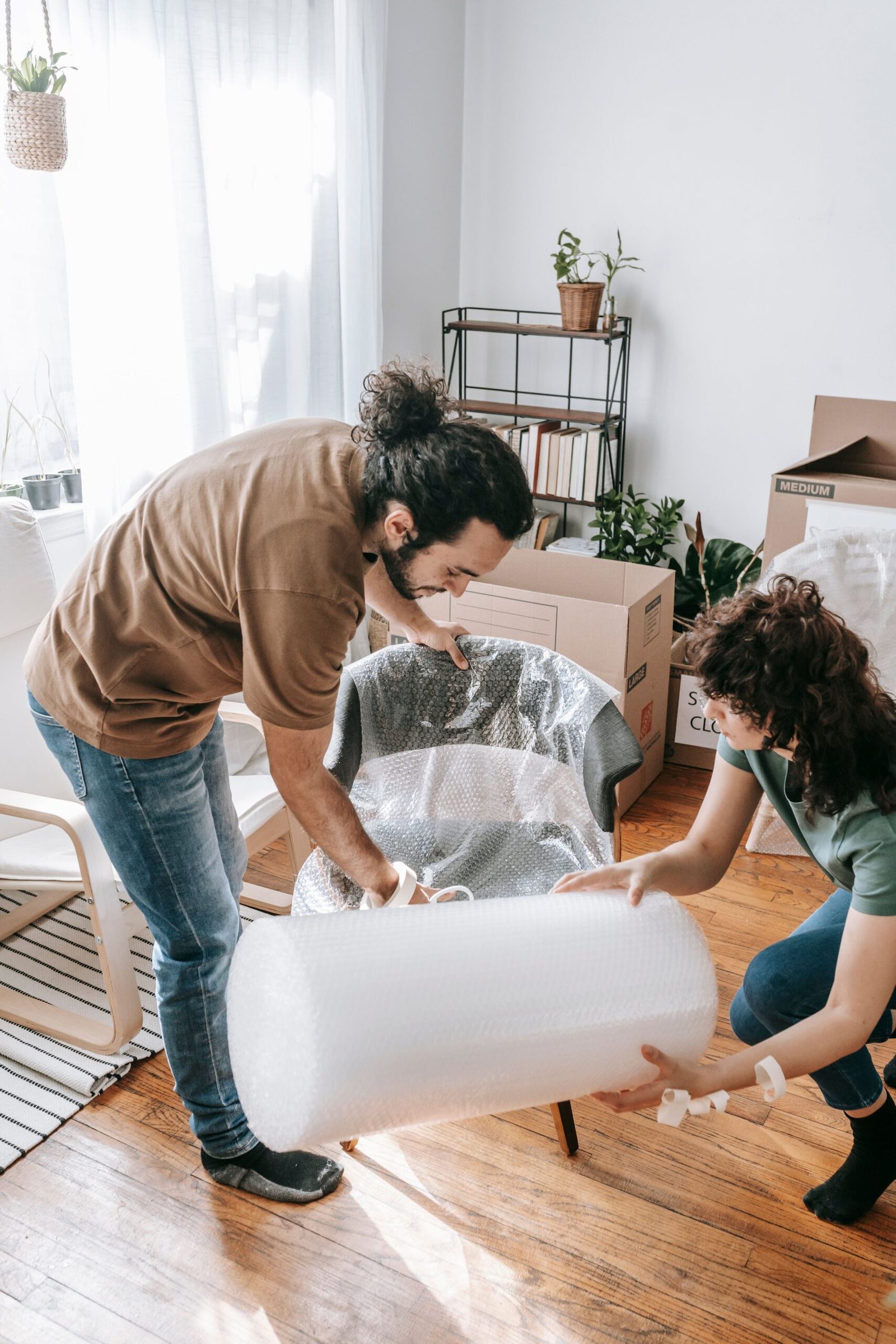
Professional movers may use furniture blankets, protective covers, stretch wrapping, and other suitable materials to shield sofas from dust, friction, and accidental contact. Removable cushions and loose accessories can be separated and packed carefully to prevent them from getting lost during transportation.
Sectional sofas may require partial dismantling, especially when they cannot pass easily through doorways, corridors, or elevators. Movers should check detachable sections and protect exposed edges before carrying the pieces out of the property.
Before the move, remove personal belongings from sofa compartments and inform the moving team about delicate upholstery or existing damage. These small preparations can help protect your furniture and make handling more efficient.
Keeping Wooden Furniture Safe From Scratches and Dents
Wooden furniture requires careful handling because its finish can be damaged by friction, sharp edges, and impacts. Dining tables, coffee tables, bedside tables, wardrobes, and wooden cabinets may have polished, painted, laminated, or natural wood surfaces that need different types of protection.
Furniture blankets and padded materials can help reduce the risk of scratches during carrying and loading. Corners and exposed edges may need additional protection, particularly when furniture must pass through narrow spaces.
Whenever practical, removable table legs, handles, or other components may be taken off before transportation. This can make certain pieces easier to handle and reduce the likelihood of components breaking during the move.
Wooden furniture should also be secured appropriately inside the moving truck. Preventing excessive movement during transportation helps reduce the risk of collisions between furniture pieces.
Protecting Beds, Mattresses, and Bed Frames
Beds usually consist of several components, including the frame, headboard, mattress, side rails, and support structures. Moving these pieces together without preparation can make transportation difficult and increase the risk of damage.
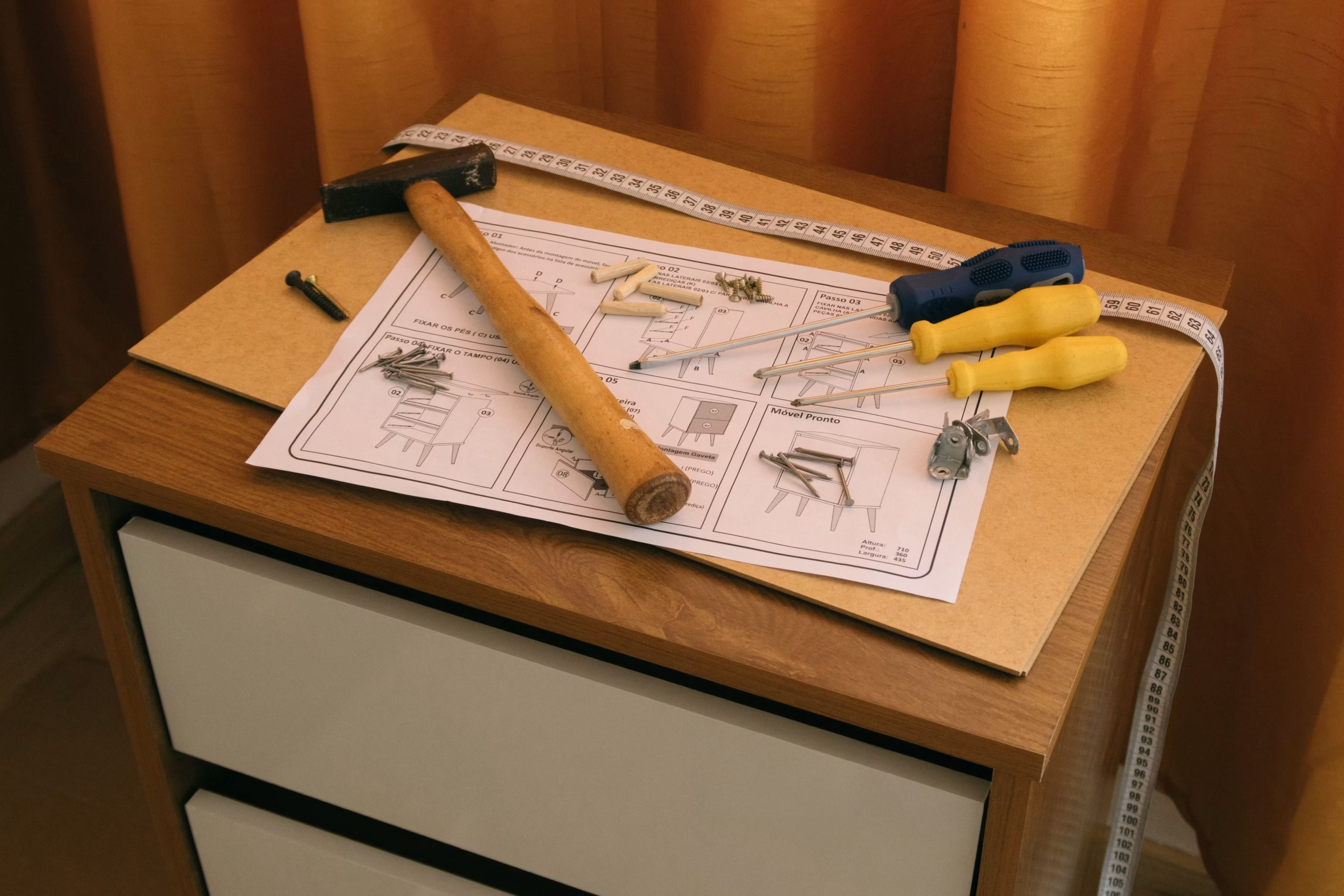
Professional furniture movers may dismantle suitable bed frames and organize the components for easier handling. Screws, bolts, and fittings should be kept together and labeled where necessary to make reassembly simpler at the destination.
Mattresses should be protected with suitable covers to help keep them clean during carrying and transportation. Headboards and decorative bed frames may need additional padding, particularly when they have upholstered surfaces, mirrors, or delicate finishes.
Before moving day, remove bedding and personal belongings from the bed. If the furniture includes a complex frame or specialized assembly system, tell the moving company in advance so it can plan accordingly.
Using the Right Furniture Packing Materials
Packing materials play an important role in protecting furniture during a relocation. However, the best material depends on the item’s shape, surface, and vulnerability to damage.
Furniture blankets can provide cushioning against minor impacts, while protective covers can help shield upholstery from dust and dirt. Stretch wrapping may help keep certain coverings in place, and cardboard corner protectors can reduce exposure around vulnerable edges.
Glass components, mirrors, and delicate decorative pieces may need separate packing methods designed for fragile surfaces. Materials should be selected and applied carefully because some finishes can be sensitive to direct contact with unsuitable wrapping products.
When hiring furniture movers in Abu Dhabi, ask what protection materials they provide and whether these are included in the quotation. Understanding the packing process helps you know how your furniture will be handled before transportation begins.
Safe Furniture Dismantling and Reassembly
Large wardrobes, beds, tables, and shelving units sometimes need dismantling to pass through narrow doors or fit safely inside a moving vehicle. Attempting to carry oversized furniture without checking access can cause damage to the furniture or the property.
Experienced movers can identify which components should be removed and how to prepare them for transportation. Small fittings should be organized carefully, and dismantled parts should be protected to prevent scratches or bending.
At the destination, reassembly should follow the furniture’s appropriate assembly requirements. Before booking, confirm whether dismantling and reassembly are included in the service or charged separately.
Not every piece of furniture should be dismantled. Some items may be safer to transport intact, depending on their construction. The decision should take into account the furniture design, access conditions, and available handling equipment.
How Movers Secure Furniture Inside the Truck
Proper loading is essential for protecting furniture during transportation. Even carefully wrapped items can be damaged if they shift, fall, or collide with other objects while the truck is moving.
Professional movers should arrange furniture in a stable manner, taking account of each item’s size, weight, shape, and fragility. Suitable securing methods can help limit unnecessary movement, while protective padding may reduce direct contact between surfaces.
Heavy furniture needs appropriate positioning, and delicate items should be protected from pressure caused by other objects. The moving team should also avoid placing unsuitable heavy items on top of fragile furniture.
A truck with sufficient capacity makes it easier to arrange and secure furniture properly. Providing an accurate estimate of the amount of furniture before moving day can help the company select a suitable vehicle.
Preventing Damage to Walls, Floors, and Doorways
Furniture protection is not limited to the items being moved. Walls, floors, door frames, stairways, and elevators can also be damaged when heavy pieces are carried through tight spaces.
Professional movers may use protective materials in vulnerable areas and plan the safest route for moving large items. They should assess difficult corners, narrow hallways, steps, and elevator entrances before attempting to carry oversized furniture through them.
Customers can help by clearing pathways and informing movers about access restrictions. In apartment buildings and residential communities, it is also useful to confirm any requirements for service elevators, loading zones, and permitted moving hours.
Good planning reduces unnecessary maneuvering and helps protect both the furniture and the property.
Special Care for Glass and Fragile Furniture
Glass tables, mirrored cabinets, display units, and furniture with delicate decorative details require additional attention. These items may be vulnerable to impact, uneven pressure, and poor positioning during transportation.
Movers should assess whether glass components can be removed safely and packed separately. Fragile surfaces need appropriate cushioning and secure handling, while detached components should be labeled and positioned to reduce the chance of accidental damage.
Tell your moving company about fragile furniture before requesting a quotation. This allows the team to consider the additional materials, labor, and handling methods that may be required.
If you have antiques, valuable collectibles, or unusually delicate furniture, ask whether the company has experience handling similar items and clarify its damage reporting policy before the move.
What You Should Check Before Hiring Furniture Movers in Abu Dhabi
Before booking a moving company, review its experience, services, customer feedback, and approach to furniture protection. Ask whether the team provides suitable packing materials, dismantling and reassembly, secure transportation, and careful unloading.
Request a clear quotation that explains which services are included. Some companies may offer transportation only, while others provide a more complete furniture moving service. Confirm whether special handling, fragile furniture packing, or additional labor may involve extra charges.
You should also ask how the company handles accidental damage and what steps customers should follow if an issue occurs. Clear terms and communication can help you make an informed decision.
Choosing furniture movers based on their preparation, handling methods, and service transparency can help reduce the risks associated with relocation.
Preparing Your Furniture Before Moving Day
You can support the moving team by preparing your furniture and property in advance. Remove personal items from drawers and cabinets, clear pathways, and identify any furniture that requires special attention.
Keep valuable documents, jewelry, and other personal valuables separate from the furniture being transported. If certain items have existing scratches or damage, document their condition before the move and discuss any concerns with the moving company.
Confirm the moving schedule, property addresses, access arrangements, and services included in your booking. When customers and movers communicate clearly, the team can work more efficiently and give furniture the attention it needs throughout the relocation.
How do professional furniture movers protect sofas during transportation?
Movers may use protective covers, furniture blankets, suitable wrapping materials, and careful handling techniques to help protect sofas from dust, scratches, and accidental impacts. The approach depends on the sofa’s material, size, and design.
How can wooden furniture be protected from scratches?
Wooden furniture can be protected with suitable padding, furniture blankets, and corner protection. Proper lifting, careful loading, and securing furniture inside the truck also help reduce the risk of scratches and dents.
Do furniture movers provide packing materials in Abu Dhabi?
Many moving companies offer protective materials, but the available options and pricing vary. Confirm which materials are included in the quotation before booking.
Should furniture be dismantled before transportation?
Some large furniture needs dismantling to pass through narrow spaces or fit safely inside a vehicle. Other items may be better transported intact. The decision depends on the furniture’s design and the access conditions.
How do movers protect furniture inside the moving truck?
Movers can arrange items carefully, use appropriate padding, and secure furniture to limit unnecessary movement during transportation. Selecting a suitable truck also helps create a safer loading arrangement.
What should I do if my furniture is damaged during a move?
Document the damage with photographs and contact the moving company promptly. Follow the company’s reporting procedure and review the applicable service terms or coverage arrangements to understand the next steps.